
Issue 4: Liminality
Join us in November's half-forgotten spaces.
Dear Readers,
According to Wikipedia, “liminal spaces are empty or abandoned places that appear eerie, forlorn, and often surreal. Liminal spaces are commonly places of transition…”
In some ways, November has always felt like a transition—a threshold—a liminal space. This is especially true now that I’m so deeply involved in creating a horror magazine.
November bridges the gap between Halloween and the equally paranormal winter solstice. Here in the Pacific Northwest, November feels like a unique time between autumn and winter. In some ways it is neither—and in some ways it is both.
As we leave Halloween behind and look forward to the holiday season, Emerald City Ghosts is proud to bring you four short stories for the month of November, each featuring the concept of transition, waiting, or loneliness, and reminiscent of a liminal space in some way.
Lo Corliss
P.S. Happy birthday, J!
Table of Contents
Static Dreams
Short Story
By Morgan A. Drake
The Lantern of Hollow Vale
Flash Fiction
By Sylvienne Ethara
The Midnight Writer
Short Story
By Gregory Haley
The Gunslinger’s Hymn
Short Story
By The Sacred Lilith
News
Oceans Submissions are Open!
Christmas Ghost Story Challenge

Static Dreams
By Morgan A. Drake
Rain hammers the windshield hard enough to drown out everything except Danny Morrison’s voice. Coffee-rough, cigarette-scarred, bleeding through cheap speakers like he’s sitting in the passenger seat.
“Tonight marks forty years since Neon Graveyard’s ‘Static Dreams’ climbed to seventeen on Billboard.” His laugh cracks through static. “Four decades since five kids thought they owned the world.”
Dashboard lights smear across water-streaked glass. Red digits on the radio clock pulse: 11:47 PM. Elizabeth’s fingers drum against the steering wheel—an old rhythm, half-remembered. Phone sits on the passenger seat. She’d been meaning to call in tonight. After all these years, finally say what needed saying. Speak his name again.
“I’ve got calls lined up, stories to share from the old days. And yes—” Danny’s voice catches, just slightly. “I’ll play the original demo live. Like Tommy did. Dave Mac’s got fresh coffee brewing, board’s humming like the old days, and—”
The boom rips through the speakers—a shriek of feedback. Metal tearing. Sparks popping like firecrackers in a tin can. Elizabeth’s whole body jerks, foot slamming the brake. Tires squealing on wet asphalt.
Then nothing.
Silence fills the car. Her heart hammers against her ribs. Just her breathing and the drumming above. Empty highway stretches in both directions—no headlights, no signs of life. The emergency lights make her feel safer, safe into nothingness.
Her fingers slip on the radio dial, frantically spinning. Static hisses between stations like dying breath. 102.7 gives her talk radio. 103.1 bleeds country music. Where WXRK lived—where Danny’s voice lived—only whispering hush.
She grabs her phone. Dials the station. Busy signal pulses against her ear, electronic heartbeat racing nowhere. Dials again. Again. Nothing connecting to nothing.
She goes back to spinning the dial, desperate for answers. One ear still to the phone. Static, static, traffic report, static—then a news voice cuts through, professional and measured:
“—explosion downtown in the Garrison Building. Fire department responding to what appears to be an electrical fire on the upper floors. The building houses mainly office spaces. No word yet on whether anyone was inside at this hour. Emergency crews are working to contain the blaze—”
Static creeps back in, eating the edges of words. She spins the dial again. Nothing specific, not yet.
Some pop song from last summer, bright and meaningless, fills the car.
Lightning splits the sky. Thunder rolls through her chest. In the silence where Danny’s voice should be, both mean the same thing.
“Tonight marks forty years since Neon Graveyard’s ‘Static Dreams’ climbed to seventeen on Billboard.”
The words are warm and lazy in Danny’s throat. His voice fills the space and makes it home for another long night. Coffee steam rises from Dave Mac’s mug through the sound booth glass, fogging the edges. “Four decades since we thought we owned the world.”
Five phone lines blink red on the console. Callers waiting to share memories, calling to remember what it felt like to believe in forever.
He does. He remembers.
The mixing board breathes under his fingers—faders smooth, knobs responsive, LED heartbeat pulsing green-yellow-red. His old Telecaster leans against the desk, strings catching fluorescent light. Gold records hang in cheap frames. Not his records, but they remind him that someone made it. Someone’s dream came true and stayed true.
On the wall in its place of honor, their band photo from ‘85. Five kids trying to look dangerous. Jimmy’s Flying V slung low, Mike behind the kit, Sarah clutching her Rickenbacker bass like a life preserver. Tommy center stage, mic stand tilted at that perfect rock star angle. And Danny himself—younger, thinner, still believing.
The Battle of the Bands trophy sits close by on a shelf. Tarnished silver, base cracked, but still there. Still proof.
A fan letter under glass catches the overhead light. Your music caught me when I was in falling. Thank you. -Jennifer, 16. Blue ballpoint on creased notebook paper. Read again and again and again, twenty years in his wallet before he framed it.
The demo cassette spins in the deck. Static Dreams - Final Mix 3/15/85. Tommy’s block letters bleeding red across the label. Same handwriting as his last note.
Dave Mac taps his watch through the glass. Take some calls. Make it interactive.
Danny punches line one. “You’re on with Danny Morrison. Where were you when ‘Static Dreams’ hit?”
Dial tone. Electronic nothing bleeding through his headphones.
He tries line two. Dead air. Line three hums potential, then cuts to silence.
“Technical difficulties, folks.” His voice stays professional while his pulse quickens. Live shows and the rush of the unexpected. “Let me share something while Dave works his magic.”
Dave nods through the glass, adjusting something on his board. Solid, reliable. Gestures it will be a minute, to just roll on.
He does.
“Spring of ‘85. We’re in this shithole studio in North Hollywood. Ten hours for two hundred bucks. The engineer keeps saying we sound just like every other Valley band.” Danny’s fingers brush the Telecaster, wood worn smooth under his palm. “Maybe we did. But when Tommy hit that first chorus, something just... clicked. I could feel it. We all could. The air changed.”
Strings sing under his touch. In tune now as they were back then.
“Phone rings at midnight. Our manager, screaming that KROCK added us to rotation. Two weeks later, we’re climbing the charts. Seventeen with a bullet.” He strums the opening progression. Bright, clean tone through studio monitors. “For three months, we owned the world.”
The song starts itself. Muscle memory older than most of his listeners.
“Tonight marks forty years since we climbed to... seventeen?”
Danny’s mouth feels dry. He reaches for water. No glass. Strange, Dave usually remembers.
Three phone lines blink. Maybe four. The lights blur together. He feels the studio walls close in. Shadows pooling in the corners, night pressing in.
He tries the lines. Dead air on all of them. He rallies.
“The recording session. Let me tell you about...” He falters, suddenly exhausted, having to share it all again. The highs, obviously, and the lows. The wreckage that came after.
“Everything went wrong at first. Tommy’s voice was shot from the night before. My amp blowing fuses. Mike’s kick drum sounding like—”
Like what? Wet cardboard? Dead fish? The memory slips.
On the walls some faded photos. The band shot from 85, still in its place of honor, seems dimmer than usual. How long since he really looked at that picture? Liz looking good, as always, Tommy like a ghost already.
Dave Mac sits in his booth but the glass fogs between them. Coffee steam, maybe. Old building. Everything past its prime.
“Tommy died six months after we peaked.” The words escape before he can stop them. Pills? Rope? Does it matter? “Couldn’t handle coming down from seventeen.”
The mixing board feels sluggish under his fingers. Faders sticking. LEDs flickering like dying fireflies.
“Lizzie moved to Portland. Teaches guitar to kids now. Mike does construction. Three daughters.” Names dissolving even as he speaks them. “It feels good, building something that lasts. Bad not knowing in the moment.”
The Telecaster waits at his side, faithful. His hands find it, steady. Strings perfectly responsive, still in tune. The one thing that never fails him.
“I kept playing. Dive bars. County fairs. VFW halls.” His voice strengthens with each word. “Playing our music for people who sing along. Different stages, same songs, same rush when the crowd joins in. Music’s music. Always worth it. Always.”
The guitar responds to his touch like it always has. Like it always will.
He’s singing before he even knows it.
Forty years. Or was it thirty? Time gets strange up here in the booth.
No phone lights now. Console dark. Dave’s chair spins slowly in the empty booth, like he just left for a minute. Maybe to get more coffee.
Half the walls are bare. Tape marks and nail holes like scars. The air tastes wrong—metallic, electric, like spit before lightning strikes.
“I should take some calls.” Voice cracking. “Dave? Are the phones—”
Silence from the booth.
The mixing board dies under his fingers. Faders lock in place, knobs frozen, electronic heartbeat flatlining. Half the LEDs give up, closing like eyes.
“Let me tell you about—” Stop. What story? Which memory? Faces blend together, names turn to static in his mouth.
The air won’t fill his lungs properly. Too thin. Wrong. His reflection in the booth glass looks transparent. Fading.
The guitar jumps into his hand. Still solid. Still real. Wood against palm, strings under fingertips.
“Maybe I’ll just play.” Lost. “Sometimes music says it much better—”
He starts ‘Static Dreams.’ Voice raw:
“Midnight radio plays our song again
Five kids with guitars thought we’d never end...”
The next line dissolves. Evaporates. Can’t remember why tonight mattered. Why any night mattered.
Studio walls press closer. Smaller. Darker. Emptier. Wider. Just him and the guitar and the weight of forty years. Or fifty. Or forever.
Tonight... tonight was... something about...
The mixing board is a corpse. No lights. No power. No electronic pulse. Dead metal under dead fingers. Walls mostly bare except one photo, faded and warped beyond recognition. Anonymous kids wearing dreams too big.
“Dave?” Whisper into nothing.
Nothing behind the glass.
His hands won’t stop shaking. Guitar neck the only solid thing left. Strings still following commands. Still remember how to sing.
“We had this great song.” Voice breaking on glass. “Made it all up to seventeen. But that wasn’t the point, was it?”
He strums a chord. It echoes in the empty space. It feels right.
“The point was this. Making sound where silence wants to live. Being loud. Being heard. And I’m still here. Still playing. Still—”
Emergency lights kick in. Red exit signs glow like dying coals. Like a cat slow blink.
Heart wrestling against ribs, trying to escape. Cold sweat pooling between shoulder blades, shirt clinging to skin that burns and ices at the same time. Something’s wrong. Something’s impossibly, terribly wrong, but his brain can’t hold the shape of it.
He plays harder. Desperate. Full chords, anything to make sound in the growing silence.
“Static dreams on the airwaves calling
Silver screens and the curtain’s falling...”
His voice dissolves mid-chorus. The song fragments. Half-remembered verses mixing with static.
Darkness presses in. Reality bleeding out at the edges. Just him and the guitar and the echo of their huge, impossible dreams.
Is anyone... can anyone hear...
Can’t even hear his own thoughts. Heart should be pounding but there’s no sound. Mouth moving around air.
No board. No lights. No photos. Just guitar strings vibrating in darkness, the only proof he’s still here. Still someone. Still somewhere.
Walls gone. Memory of walls gone. Even the idea of walls fading.
Body fragmented, scattered. Can’t stop. Won’t stop. Cold sweat, shallow breath, heart racing toward nothing. But can’t grasp why. Can’t hold the thought long enough to understand.
“I had something to say.” Finally, his voice. “About music. About dreams. About—”
Words disappear mid-thought. Plays instead. Chords humming almost by themselves, knowing already.
“Midnight radio plays our song again
Five kids with guitars thought we’d never end
Leather jackets, dreams of neon lights
We owned the world on Saturday nights...”
For one second—almost remembers. Almost sees their faces. Almost tastes those lights, that sweat, that pain, that love again.
Then it’s gone. Static between stations. White noise waiting for a turn of the dial.
Only the guitar remains. Strings singing in darkness. Holding that last echo as long as they can.
Then Silence.
“Tonight marks forty years since Neon Graveyard’s ‘Static Dreams’ climbed to seventeen on Billboard.”
Elizabeth’s voice soft through the speakers. Older now, Northwest drawl softening the edges. Not Danny’s voice. Never Danny’s voice again.
“Four decades since five kids from Tacoma thought they owned the world.” Her voice catches, steadies. “Danny Morrison was supposed to be here tonight, celebrating with all of us. Instead, we’re here to say goodbye.”
Static crackles between her words like tears.
“Danny loved music more than anything. More than money, more than fame, more than...” She stops. Breathes. “Last Tuesday, he died doing what he loved most. Singing live on air.”
Rain on windshields. Headlights through the darkness. Radio static filling cars across the country.
“Static Dreams was always his favorite. He always said this song wasn’t about us. It was about everyone who had a dream that burned bright for one perfect moment. So today, this is for Danny. And for all of you still listening. Still dreaming.”
Mike’s drums count in, older hands but same rhythm. Sarah’s bass line, deeper now, weathered and mourning. They play “Static Dreams” for the last time, and it sounds different now. like a prayer. Like a promise. Like goodbye.
The song fades to static. Then silence.
Then Danny’s voice echoes one last time, a reprise caught between frequencies:
Somewhere between stations,
if you know how to listen,
five kids with guitars still believe they’ll never end.
“STATIC DREAMS”
By Neon Graveyard (1985)
As performed by surviving members at Danny Morrison’s memorial
Midnight radio plays our song again
Five kids with guitars thought we’d never end
Leather jackets, dreams of neon lights
We owned the world on Saturday nights
Stadium echoes in a basement room
Marshall stacks couldn’t drown the gloom
Of knowing fame’s a lightning strike
But we kept chasing anyway that night
Static dreams on the airwaves calling
Silver screens and the curtain’s falling
We were kings for a moment’s time
Now we’re ghosts in the radio’s rhyme
Static dreams, static dreams
Nothing’s ever what it seems
Billboard charts and backstage doors
Forty cities, screaming for more
But the higher we climbed, the thinner the air
And one by one we disappeared
Tommy’s gone and Mike moved on
Lizzie’s kids don’t know this song
But somewhere late at night I know
You hear our voices on the radio
Static dreams on the airwaves calling
Silver screens and the curtain’s falling
We were kings for a moment’s time
Now we’re ghosts in the radio’s rhyme
Static dreams, static dreams
Nothing’s ever what it seems
Turn the dial
Find the frequency
We’re still here
In the static between stations
Still believing
Static dreams on the airwaves calling
(We were young, we were everything)
Silver screens and the curtain’s falling
(Now the silence is deafening)
We were kings for a moment’s time
Now we’re ghosts in the radio’s rhyme
Static dreams, static dreams
Nothing’s ever what it seems
Static dreams...
(Fade to radio static)
An Interview with Morgan A. Drake
Why did you write this piece? The image came first: a DJ’s voice cutting to silence mid-broadcast while his hands kept playing guitar in the darkness. I’ve always been fascinated by artists who had one moment of success, that brief taste of “making it”, and then spent decades processing what that meant. The question to me was: what survives? Not just physically, but what part of our artistic dreams persists when the spotlight moves on?
I wanted to explore the difference between commercial success and artistic legacy.
The idea that being forgotten, or lacking meaning at all, is the true horror to some. Danny’s band peaked at seventeen on the charts—good, but not great. Yet forty years later, people still remember, still call in to share what that music meant to them.
Why do you write? What do you like about the paranormal genre? I write (paranormal/speculative) because I’m obsessed with the psychological weight of choices and the complexity of moral decision-making. This genre gives me tools to explore these themes in ways that feel emotionally true even when they’re literally impossible.
What I love about it, in this story specifically, is how it makes internal psychological states external and visible. Danny’s reality fragmenting isn’t just a ghost story, it’s about how artistic disappointment and aging erode identity. The supernatural elements let me show that process rather than just tell it.
What other writing projects are you working on? I’m currently serializing a big Dark Fantasy project on my ‘Dimidium Tales’ platform (‘Mountain Bond,’ badass dragons, pirates, crazy shenanigans and epic world-building) and a smaller self-imposed challenge on my ‘Fluke Print’ publication ( ‘ A Thessaly Odyssey’, a Sci-Fi/Space Opera patterned on Homer’s Odyssey, exploring complex character dynamics and moral ambiguity in 26 flash fictions -it’s an alphabet challenge-).
I’m also strongly considering participating in ECG’s December challenge.
I have an idea, and possibly an outline. The compressed timeline should force some interesting creative decisions.
Morgan’s Links
Substack - Fluke Print
Substack - Dimidium Tales
The Lantern of Hollow Vale
By Sylvienne Ethara
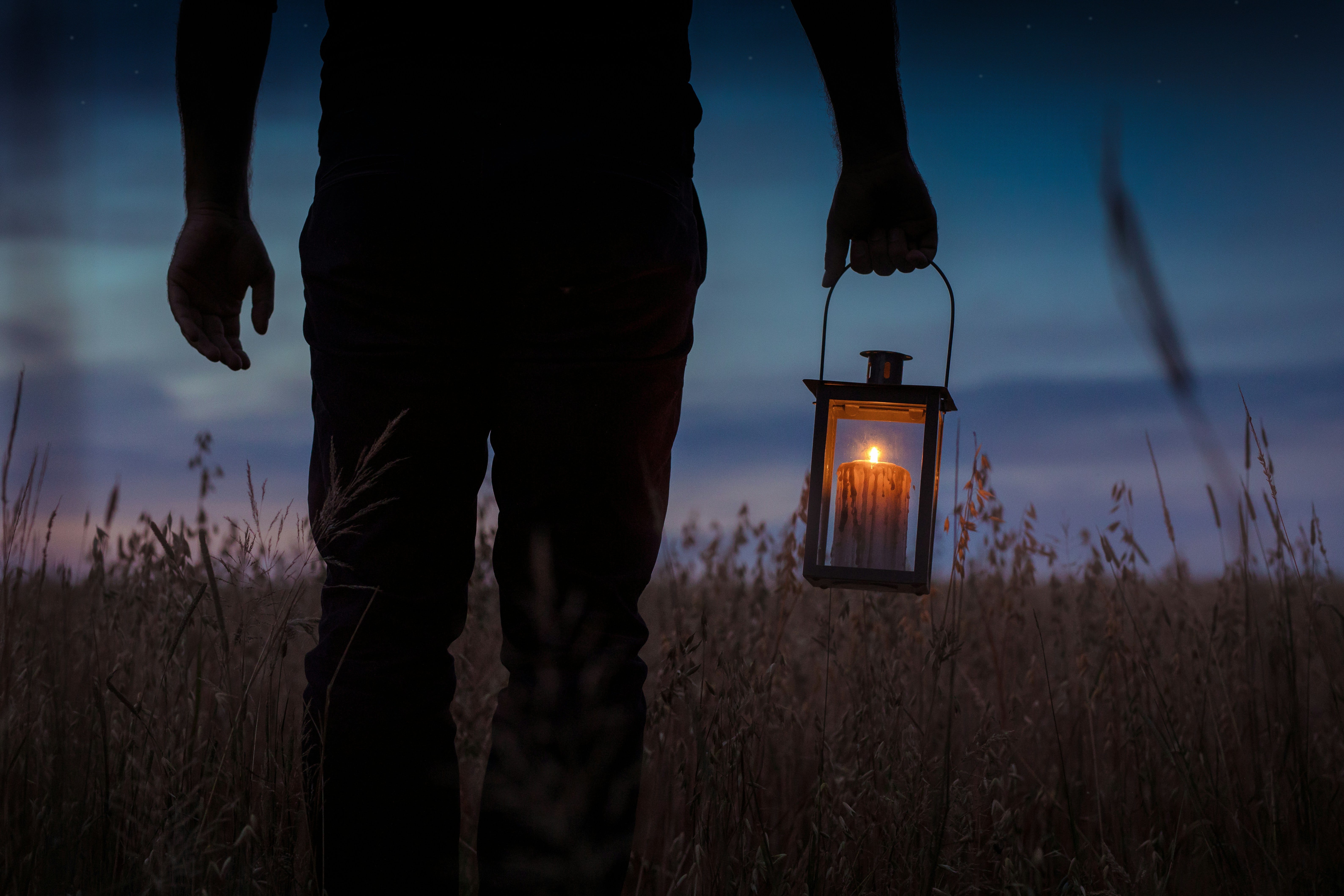
The lantern burned without fire.
It hung from the lowest branch of the ash tree; its glass filled with black smoke that writhed like a nest of serpents. The glow it cast was weak and sickly, as if it came from veins instead of flame.
The villagers told their children never to touch it. Not because of stories, but because of what they had seen. The man who first reached for it returned with his skin the color of ash, his mouth dripping blood that wasn’t his own. He lived for three days before he split open at the chest, nothing inside but smoke.
Still, Liora carried it home.
The moment her fingers curled around the chain, the smoke swelled as though it had lungs. The glass bled a thin line, red dripping over her hand, but she did not let go. She could not. It warmed her grip like living flesh.
That night, shadows spilled across her walls, antlers raking the beams, wings stretching wider than the room allowed. Faces appeared in the glow—faces she knew. Her grandmother, eyeless. A child she once buried, its mouth sewn shut. Their mouths opened, but no sound came, only wet gurgles that tasted like copper in her ears.
By the third night, her house no longer held. The floor split with roots that oozed black sap, and the air smelled of iron. Her reflection in the basin blinked twice, but the second blink smeared scarlet down her cheeks.
On the fourth night, the lantern was fed. Her fingernails blackened. Her teeth cracked, blood filling her mouth. Her body bent and swelled, bones grinding as though the lantern was carving her hollow. She screamed until her voice left her throat raw, but the smoke poured inside and took the sound for itself.
When the villagers found the cottage, it was empty. Only the lantern hung again from the ash tree, brighter now, its glow pulsing like a heartbeat through the fog.
The branch beneath it dripped.
An Interview with Sylvienne Ethara
Why did you write this piece? I wrote “The Lantern of the Hollow Vale” because I wanted to capture what happens when grief becomes ritual. When curiosity and sorrow twist into something sacred and dangerous. The first image that came to me was a lantern that burned without fire, as though it were alive in a way it shouldn’t be.
Liora’s journey isn’t about evil or punishment. It’s about hunger. The kind that comes from loss, from wanting to touch something that might still hold the people we’ve lost.
Why do you write? I write to make sense of the unseen. The spaces between emotion, memory, and energy. The horror and paranormal genres give me the freedom to explore truth without constraint. I love how horror exposes what we hide: grief, fear, guilt, and love in their rawest form. It asks us to face the things we try to bury and reminds us that survival is never just physical.
Is writing your full time job? Does your day job influence your writing? What do you do in your spare time? Writing is a huge part of my daily life, but I also wear different hats. My background in criminal justice, forensic psychology, and law shapes how I build my characters — especially with motive and morality. When I’m not writing, I love spending time with my kids, walking near water, or recording new episodes for The Writer’s Quill podcast. I try to make space for quiet moments. That’s usually when the next story starts whispering.
What other writing projects are you working on? I’m currently developing new episodes for The Writer’s Quill podcast, which explores the craft, heart, and resilience behind storytelling. The show has reached listeners in 49 countries and continues to grow as a community for writers and creatives alike. Beyond that, I’m working on an anthology of short stories called The Hollow Vale that dives into the supernatural, the psychological, and the unseen threads that bind us together.
Is there anything you wish we would have asked you? Maybe something about what keeps me writing when it gets hard. Because for me, the answer is always the same: legacy. I write so my children, and anyone who has ever felt unseen, know that their story matters. Every page is a promise that light can live even after loss.
Sylvienne’s Links
The Midnight Writer
by Gregory Haley
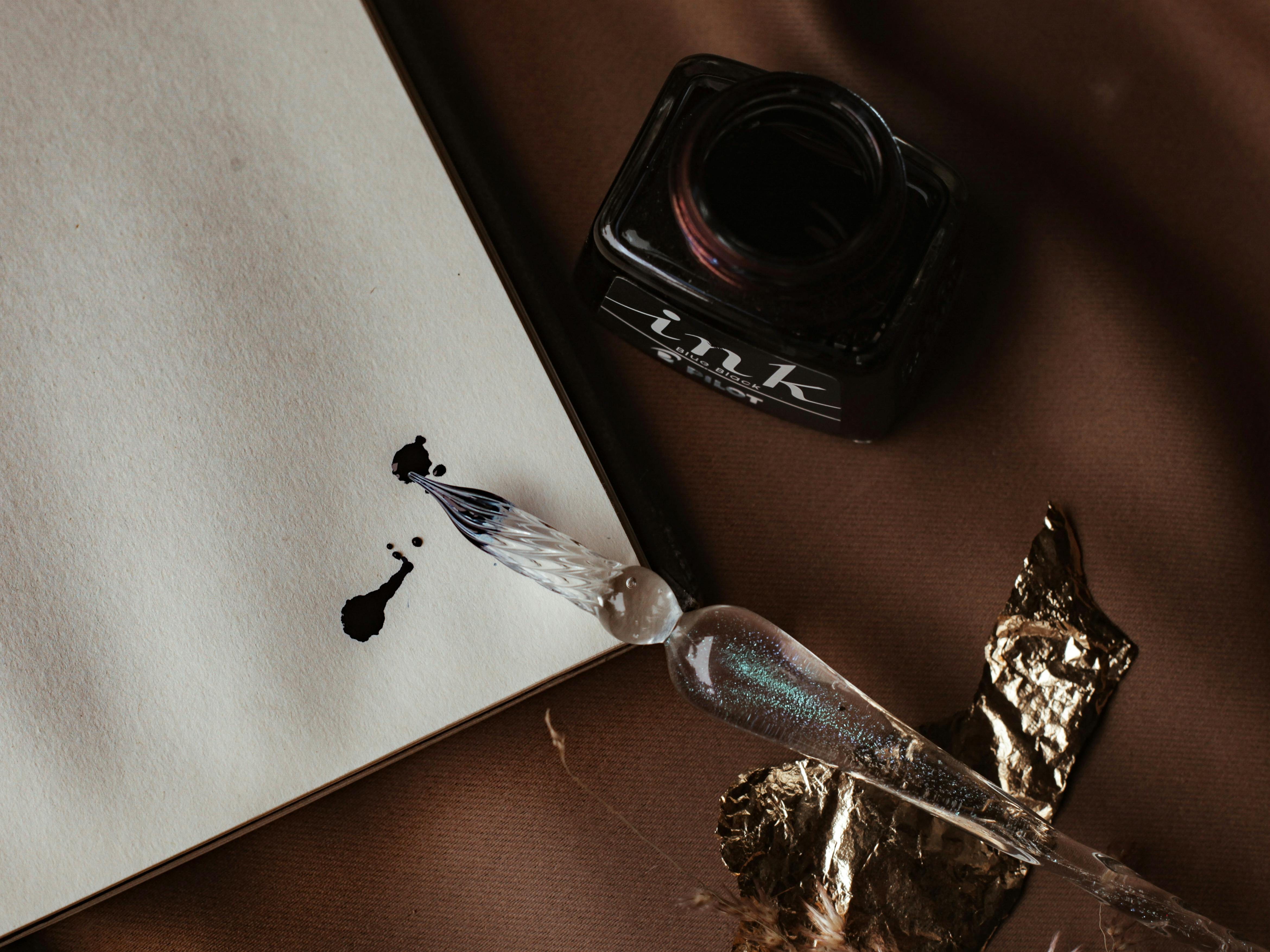
The candle sputtered from a drop of water just as she reached the line she dared not write, her quill swollen with fresh ink. Wax pooled like melted bone, and the page before her stared up blank at the end where the words belonged, a white wound in the ink.
She pressed her hand flat upon it, as if to cover the silence, as if words could be forced into being by pressure alone. But the truth would not come. It cowered in her chest where it had hidden for too long. The quill trembled as she dipped it again in ink.
“You’ve stopped,” said a voice from the doorway.
She turned. A man stood there, shoulders soaked, water dripping from his dark coat. He carried no lantern, yet she could see him perfectly in the shadows.
“I didn’t hear you,” she whispered.
“You didn’t want to.”
He stepped closer. Rain trailed from him in steady rivulets, black stains spreading across the chapel floor. She knew him. She had been expecting him.
“You came too soon,” she said.
“I came when you called,” he replied. “And you did call. Every word you have left unwritten summoned me.”
He lowered himself to the bench opposite her small table. Wood groaned beneath his weight, but he did not seem heavy. If anything, he seemed patient. Patient and inevitable.
“Read to me,” he said.
Her throat closed. “There’s nothing worth reading.”
“You’ve written plenty. But not the truth.”
She looked down. The manuscript was thick with scenes and descriptions and excuses. She had crafted careful beginnings: A boy slipping into water, a scream that went unheard, a town that mourned in whispers. But she had avoided the one line she could not bear to write.
Her candle spluttered again under the leaking roof. She clenched the quill tighter. “I can’t.”
“Then you’ll die twice in the morning,” Death said gently. “Silence is no absolution.”
She flinched. The thought of the rope, the crowd waiting at dawn. She had believed the pages might spare her, that a story could carry her guilt in her place.
“Confession is not fiction,” she said.
“It is both. A story is only a confession in disguise, and yours is gasping for what is real.”
She dipped the quill a third time. The ink bled into the fibers of the paper. One sentence. That was all. One sentence and she could rest in peace.
But when she pressed the nib down, the words slipped away. Instead she wrote, He slipped.
Death leaned forward. His voice was kind, but it carried the weight of iron. “That is a lie, and you know it.”
Her lips parted, but no sound came.
He went on. “Readers can smell falsehood. They may not name it, but they feel it in their marrow. You may fool the magistrate, you may fool the priest, but you cannot fool the page. The page wants for blood.”
The wind outside moaned against the ruined chapel walls. She heard again the boy’s last cry, the snap of his fingers clasping in desperation as her hand opened and let him fall. She had dreamt for years that she had tried to save him. That was the story she told. But the truth was that she had chosen not to.
Her quill hovered above the page.
“Write it,” Death said.
“I’ll die for it.”
“You’ll die anyway,” he answered, his eyes steady, black as wet earth. “Take your time. I am in no hurry, because all come to me in the end. But lies delay the crossing, and I will not carry a lie.”
She pressed harder, the words tearing through the paper: I let him go.
The candle flared high, spitting wax. She stared at the sentence, ugly, blotched, but alive. The page seemed to breathe beneath her hand, finally taking in air.
Death leaned back. “There it is.”
Her chest felt hollow. “That’s not enough.”
“No,” he said. “But it is honest, and in that there is freedom.”
She wrote again, each line pulling more marrow from her bones. She wrote of the stone she had tied to his feet, of the prayers she had not said, of the way she had turned her face from the river as it closed over him. She wrote until the page reeked of confession, until the quill cracked under her grip.
Death sat in silence. He did not rush her. He did not soften his gaze. He simply waited as the pages filled with the blood she had refused to shed.
At last, she set down the quill. The candle was almost gone. Her fingers were stained black, as if she had plunged them into a wound.
“Now,” Death said, rising from the bench, “you may go to the gallows with your true story told. They will hang your body. But your spirit will be free.”
She looked at him, a strange gratitude tightening her throat. “Do you forgive me?”
His expression did not change. “It is not my place to forgive. I merely carry. Forgiveness belongs to those who read your words, and to the boy who waits beyond the veil.”
He turned toward the door. Rain poured through the arch, glistening on the stones.
She closed her manuscript, the confession heavy in her hands. For the first time in years, she felt a lightness of being.
The rope would come at dawn. But for tonight, at least, she was free.
An Interview with Gregory Haley
Why did you write this piece? For me, the gothic has always been less about haunted houses and more about haunted people, and the way guilt or longing writes itself across the page. In the image of the condemned woman, I saw not only a character at the end of her life but also a writer desperately trying to shape her legacy, despite her fate. The figure of death is really the figure of the reader, standing witness and demanding the truth of the writer. That uneasy communion between the writer and the reader is the heart of “The Midnight Writer.”
Have you ever experienced anything paranormal? My mother’s wisdom has always rung truer than any story: “normal is just a setting on the dryer.” Hermeneutics confirms it. There is no single, stable reality, only the shifting meanings we conjure individually. With my ADHD mind, those meanings come in restless currents and sudden flashes, moments that, to steadier souls, might seem uncanny, even paranormal. But what looks like disorder from the outside is often just a different kind of pattern; a haunted rhythm of a curious mind that insists on finding the light in the shadows.
What are your hobbies? I love playing the guitar, fly-fishing in the PNW, gardening, hiking, and playing with my dogs.
Is writing your full time job? Writing is my full-time job. I write about deeply technical subjects like hybrid-bonding, artificial intelligence, metrology, and lithography for semiconductor manufacturing. It’s fascinating for the engineering-minded readers, but it can be a bit dry at times. I write fiction as a balance to that space, and some day I hope to write fiction full-time. That is my dream.
Gregory’s Links
The Gunslinger’s Hymn
By The Sacred Lilith
Every ghost town has its legends. Shaniko, Oregon, a high desert town that was once the “Wool Capital of the World,” now little more than splintered storefronts and empty roads, has more than most.
Some say the wind carries voices there. Others swear the old church bell still rings at midnight, though the steeple burned and the rope rotted decades ago.
But the oldest story is the Gunslinger’s Hymn.
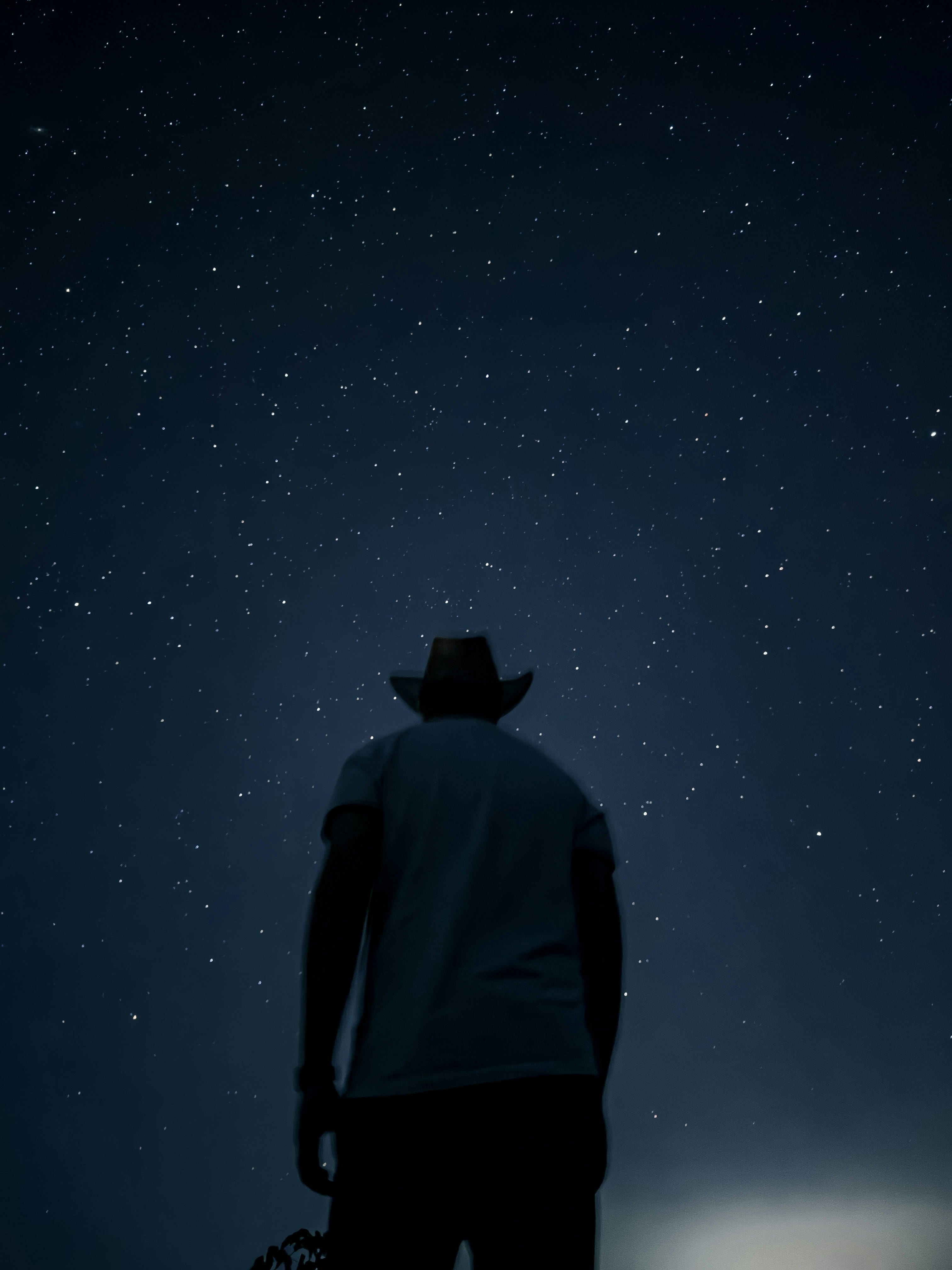
They say when the bell tolls, he rides in. A shadow in a wide-brimmed hat, silver guns gleaming, a voice like a preacher who forgot the words halfway through. He calls for a duel. Someone always answers. And when it’s over, the loser doesn’t die. They disappear. Body, shadow, memory. Like they were never born.
The desert had eaten Shaniko long before the dust storms came.
Storefronts stood hollow against sagebrush and the arid sky. The hotel sagged. Wind rattled broken glass in the wool barn. Folks called it a ghost town now, though a handful still lived among the ruins. The ones too stubborn, too poor, or too haunted to leave.
Eliza Ward was all three.
Twenty years she’d stayed. Twenty years of sweeping dust from the parsonage floors, keeping the church whitewashed though no congregation came. She worked at the gas station off Highway 97, twelve miles out. Pumped gas for truckers who never looked her in the eye. Drove back each night to the same silence.
Some evenings she stood on the porch and hummed the hymns her father used to sing. Off-key, the way he had. “God don’t care if you can carry a tune,” he’d told her. “He just cares that you show up.”
He’d shown up the night the bell tolled. Walked into the street in his funeral coat. Turned back once, smiling at her through the window without a trace of fear. Just tired.
Then he drew his gun. The sound of the bullet echoed throughout, and in the same instant, he was gone.
Eliza buried an empty coffin. She kept his dented coffee pot on the stove and boiled coffee in it every morning. Hated every sip. Drank anyway.
And she waited.
Midnight came, and the first clang split the silence.
No rope hung in the burned-out steeple, but the bell sang anyway in a low, rusted tone that made her molars ache. By the second toll, shutters slammed. By the third, lamps went dark. By the twelfth, Main Street was bare.
Then the rider came.
His horse was black, hooves silent on the packed dirt. Hat brim low. The guns at his hips were silver, rippling like water.
He dismounted. Each bootstep landed too heavy, as if he were falling from a great height.
“Who’ll face me tonight?”
The words slid down Eliza’s spine like cold iron.
She watched from the parsonage window, her father’s Colt in her hand. She had oiled it every season, it made her feel closer to her father. She might have believed it would save her one day. Maybe today might be the day.
Down below, the Gunslinger turned toward the church. His smile flickered like iridescent lightning.
“Come on now, Shaniko. Someone’s always got something to prove.”
The bell rang again.
Eliza stepped into the street.
Her boots scuffed the dry soil beneath her. The sound was obscene in the silence. She carried the Colt loose at her side, hammer back, metal cold enough to burn.
The Gunslinger’s grin widened.
“Preacher’s blood,” he said. “Been waiting on you.”
“You took my father.”
“Did I?” He tilted his head. “Or did he come looking?”
“He was faithful.”
“Same thing, sometimes.”
Eliza raised the Colt. “I’m not here for a sermon.”
The Gunslinger spread his arms. “Then let’s get it done.”
The bell tolled.
They drew.
Her shot cracked the night. The bullet crossed the space between them and passed straight through, sparking against the hitching post beyond. She fired again. Through his chest. His throat. His hat. Smoke. Empty air. Six shots, six nothings.
His gun fired once. She never saw him draw. Never even heard the report. Just felt something slacken inside her, as if a string had been cut.
When the smoke cleared, the Gunslinger stood untouched.
Her hand was empty. The Colt gone.
“Faith alone never saves,” he said, watching her with something like pity.
She looked down. No shadow. The dirt beneath her was pale and blank.
He mounted his horse. Spurs chimed bright as grace.
But before he turned, she saw his face.
Not a sight of flesh or bone. A road. Endless cracked asphalt stretching into black. And on it, people. Walking. Hundreds. All in the same direction, toward a horizon that never arrived. She saw her father among them, coat threadbare, stride steady. Saw the wool trader who’d hanged himself in the barn. Saw the woman who’d driven into the desert and never come back. None of them looked up.
The road pulled at her eyes the way a moon pulls back the ocean tides.
The guns at his hips weren’t metal at all. They were hymns given shape with the kind sung without belief, mouthed just to keep silence away.
The bell began tolling again.
The Gunslinger looked at her. The road in his face stretched further, endless, patient.
“Town don’t end,” he said. “It just keeps singin’.”
He rode into the dark. Horizon bending with him.
Eliza stood in the street, shadowless. Hollow. But alive.
She lifted her hand. A shape flickered and there laid a bell rope, frayed and weightless. She tried to drop it. Her fingers wouldn’t open.
Her jaw began to clench. She bit her tongue hard enough to taste blood. Still, the words rose, layered in her father’s voice, the Gunslinger’s, strangers’ voices she didn’t know, a whole forgotten choir pressed into her throat.
She fought them. One heartbeat. Two. Three.
Then her lips moved.
“Who’ll face me tonight?”
The taste was dirt. The taste was coffee she’d never learned to love.
Back in the parsonage, the dented coffee pot waited. Tomorrow she’d boil water in it. Pour it out. Boil it again. Drive to the station. Pump gas. Drive back. Hum hymns into emptiness.
And when the bell tolled, she would walk into the street.
The Sacred Lilith’s Links

News
Submissions are open for our oceans issue! We want to feel the melancholy of the waves lapping on shore and the violence of the breakers. While we aren’t in need of siren or mermaid stories and poems at this point, we would love to read about other terrifying ocean creatures. Maybe you’re creating your own legend in which narwhals go on a killing spree. Maybe you’re writing cosmic horror, and the whales are here to herald the end of the world. Don’t forget that we do surf in the Pacific Northwest—it’s just really cold. This is a great time for horror with a dash of folklore and magical realism. As always, we want ghost stories!
We’re gearing up for our Christmas Ghost Story Challenge. Make sure you sign up to receive updates!
These were incredible. As a musician myself, the first story hits way too hard, the waning significance of being able to pour your heart out on a stage and truly be "seen" or understood is absolutely tied to identity.
Thank you so much! I am honored to be able to take part in this issue. Thank you for seeing my work. 🫶🏼