
Issue 11: Summer Camp
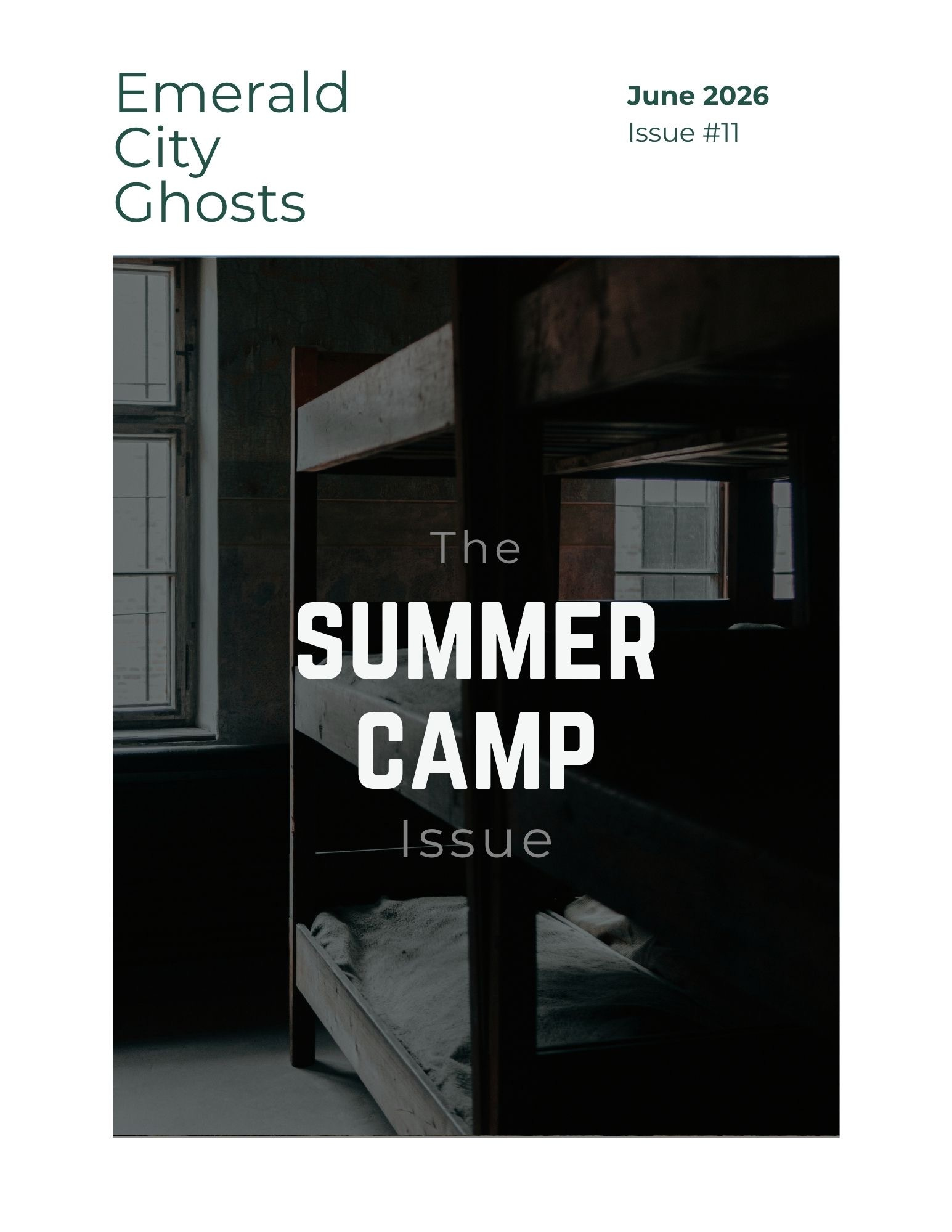
What better place to tell a ghost story than around a campfire?
Dear Reader,
As soon as the rain stops and the clouds part, I start reminiscing about summer camp.
While I never attended as a camper, I’ve spent plenty of time working in a camp setting as either a seasonal staffer, an intern, or a volunteer. This has given me access and insight into all the camp secrets, weird quirks, and occasionally borderline cultish happenings.
During my internship, I spent a lot of time on a fairly empty campus. It’s amazing how removing the campers and volunteers can drain a place of its energy and leave you feeling like there might be something watching you from the woods. Paths lit by blue solar lights pull you deep into the forest, and kitchen doors slam on their own. Camp becomes a very different place when everyone goes home for the year.
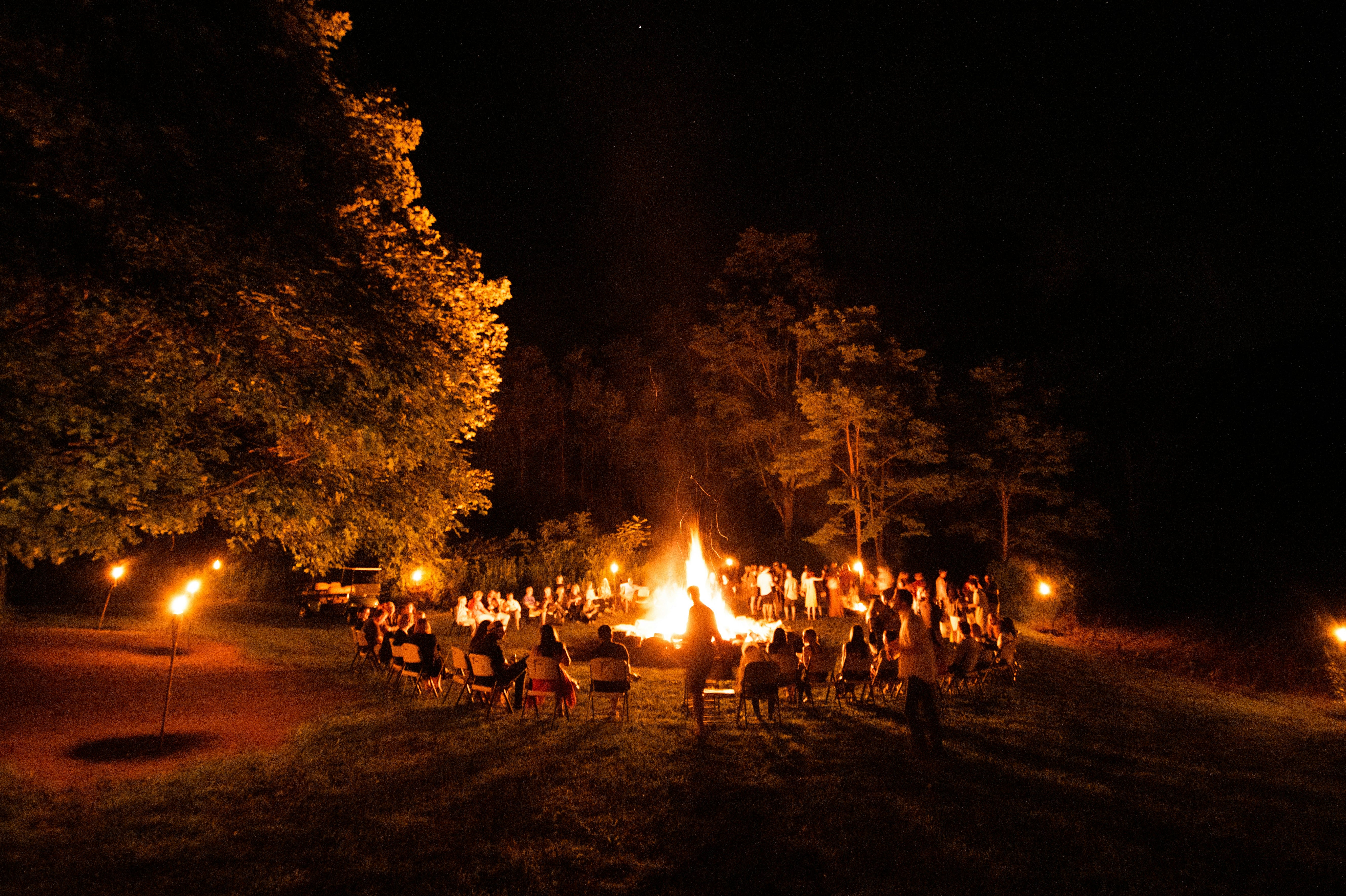
This month, we’re exploring summer camp through a horror lens. Join us as we relive memories and tell stories around the fire.
We hope you enjoy!
Lo Corliss
Table of Contents
Hand of God
By David James
Surge
By Dawn Bernadette Haigh
The Lake
By C.A. Russell
Emerald Blight
By Kylie Jordinelli
Hand of God
By David James
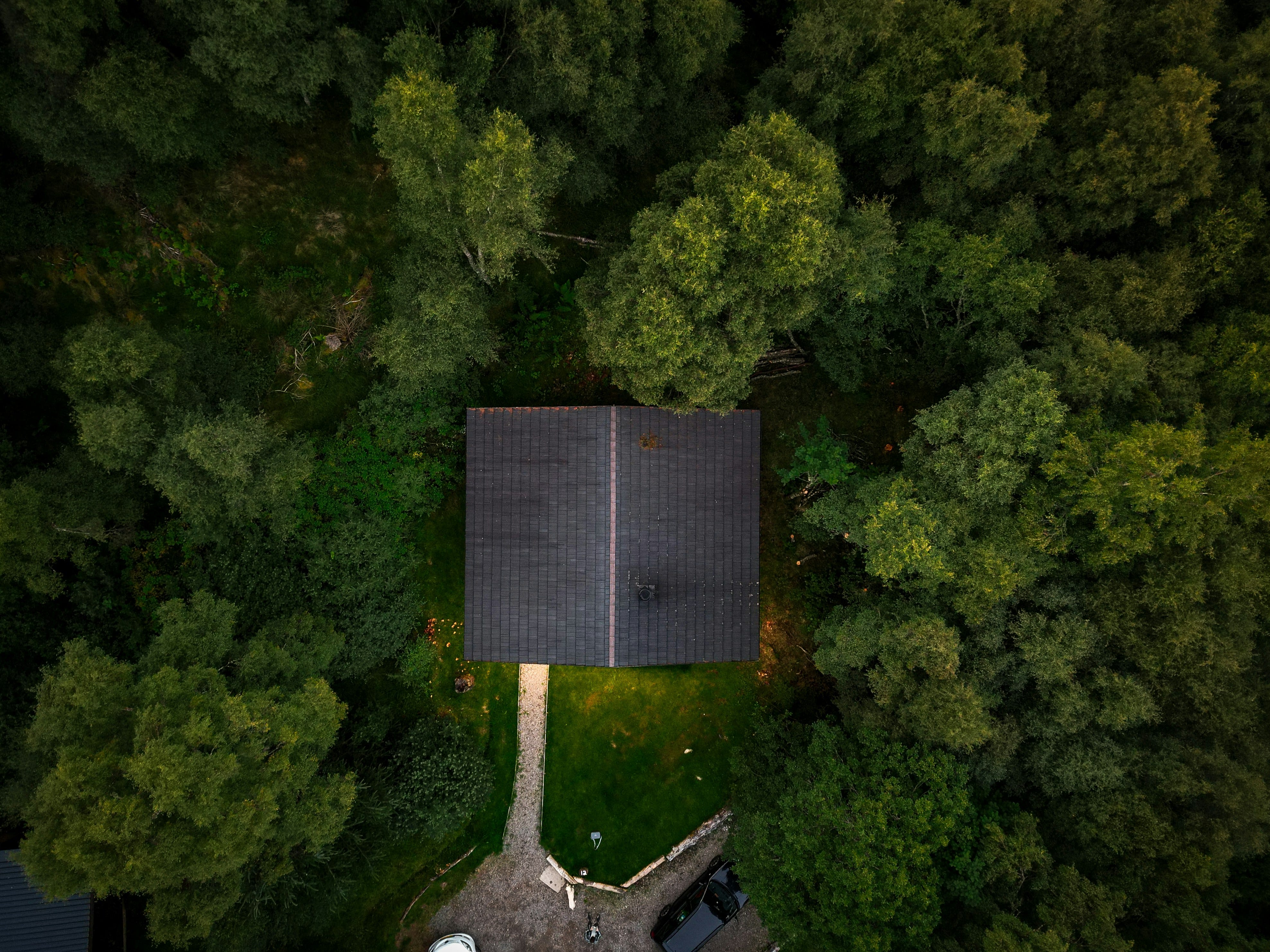
The tornado tore through Christopher’s Slope Summer Camp an hour after hymnals and minutes before lights out. It uprooted all the elementary-aged camper cabins as if targeted, zigzagging through the sunken valley, avoiding the tree line, and folding their screams into the brackish night.
It tossed the steeple from the worship center westward, which landed on its top, so when distraught parents met the camp at sunrise the following day, they were greeted by an upside-down cross, counselors with red, wet faces and empty arms, and tattered white planks strewn about the highway.
It was long before weather prediction models. Though the tragedy turned to legend throughout the decades, and new cabins were erected on old foundations, the camp staff used it for curious praise. “God works in mysterious ways,” they said. “Now, those children watch over Christopher’s Slope. Whenever a branch snaps. Whenever a frog croaks. It is the children in the woods.”
Some nights, campers would gaze out their windows and allow the darkness to build shapes in their minds. Fireflies dotted the depths; sometimes they would congeal and linger, like eyes, unblinking, longer than any normal lightning bug should.
And sometimes campers would wake up around midnight—as if called to—to find their counselors peering out the windows into that very same darkness. They bit at the corners of their thumbs, keeping guard.
And one night, fifty years after the first tornado, the sun set green. Stillness covered the valley, as if wind had never touched the grass at all. Then, around midnight, hands tapped on the cabin walls. Not one pair, either; many. Some campers thought it was hail, and one counselor wondered, briefly, sleep-drunk, if they were under attack from rock-slinging troglodytes.
Outside, there was nothing to be found but other campers and counselors hobbling from their bunks into the valley and a single, brilliant bolt of lightning that illuminated a column of wind-wrapped debris creeping through the forest.
They ran toward the main building, occasionally glancing back at the strobing white light and the small bodies that lined the forest as the twister approached. They pointed their skinny fingers away from the valley, and in the next bolt of lightning, their silhouettes faded.
When they crested the hill, near the showers and above-ground pool, the sirens blared. But the tempest had already arrived, and rain pelted their heat-flushed faces as a counselor fumbled with their keys at the door, and the tornado ripped through the camp like a hungry beast.
When the doors opened, they all tumbled inside. The counselors guided the children to the basement, and everybody huddled together. Wood moaned, ripping from the rafters. Cars turned sideways and wailed across the pavement above. Tables and chairs and swing sets and diving boards and hymnals spun together in furious testimony.
And the campers, who didn’t sleep for the rest of the night, even well long after the storm had passed, fondly studied the forest and quietly said their thanks.
An Interview with David
Why did you write this piece? When I was a kid and still believed in God, there was a tornado warning at my Christian summer camp in Fremont, Nebraska. As I ran to the shelter with the other kids, I wondered what his plans were for me. This is somewhat based on those memories of panic.
Why do you write? I write because I have to. It has been a compulsion ever since I was a kid, when I scribbled Power Rangers and Clue knockoffs in the margins of my school notebooks.
Is writing your full time job? If not, what do you do? I actually just quit my full-time job as a lead content editor and start my new career at the Denver Botanic Gardens in June! I am resetting my career for a fuller cup.
Do you have a favorite place to write? I have a color-coded stack of Moleskine journals for each project I’m working on, and another larger Moleskine purely for free-writing. I’ll write wherever the mood strikes me, but I’ll usually have YouTube videos of people walking around rainy cities on in the background.
What other writing projects are you working on? I am currently working on a horror comedy novel, Don’t Tell Derek, and a Book Fair Retrospective series on my Substack.
David’s Links
Surge
By Dawn Bernadette Haigh
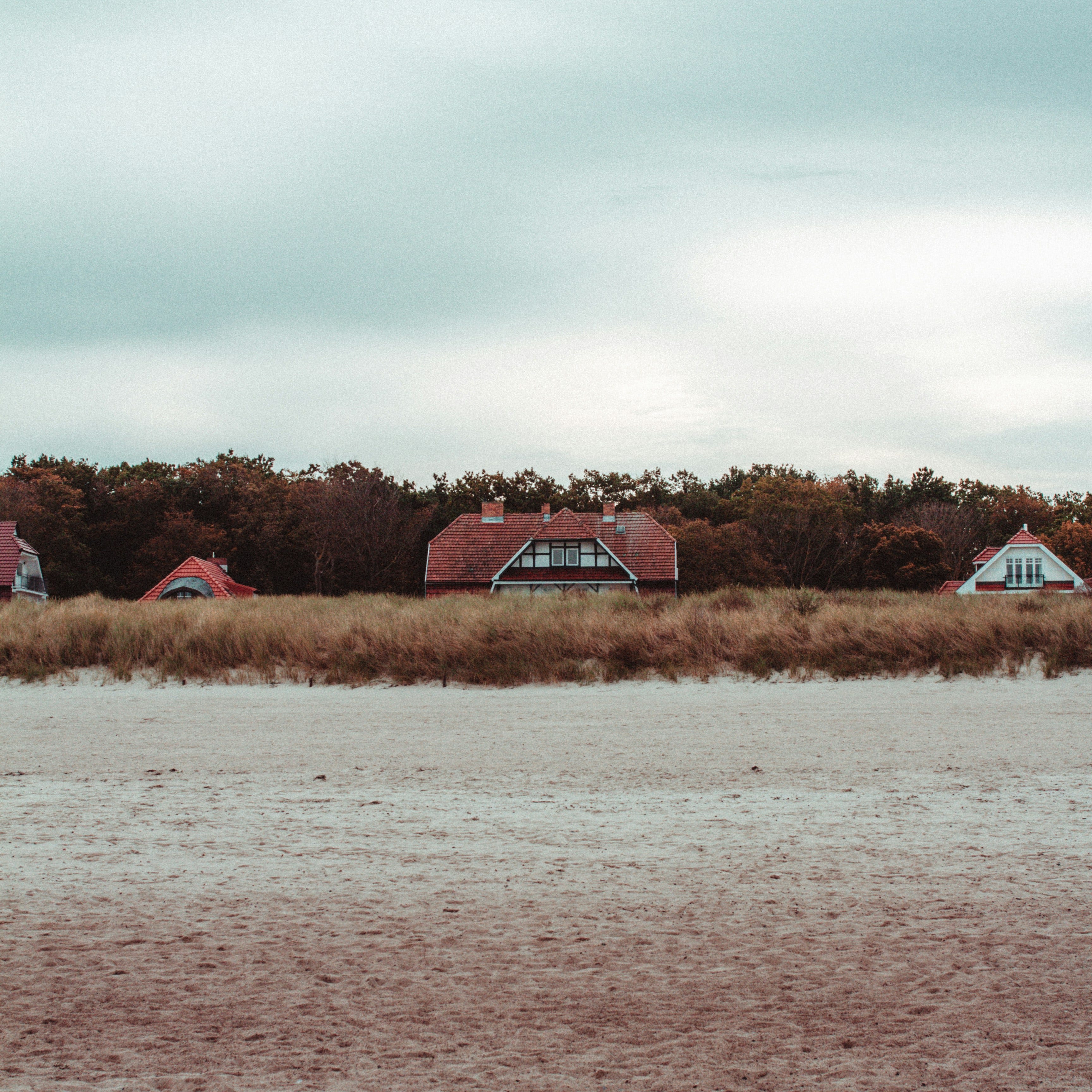
The cottage is smaller than Ellie imagined, but she’s lucky one was available; Whitby’s always booked up. She surveys the narrow front door / peeling black paint / a clump of seaweed shrivelling on the top step, jiggles the key in an unyielding lock, sighs with relief when it gives. As she opens the door, the hulk of rotting wood drops on its hinges. The low-slung lintel, weirdly catacombal, forces her to duck. She must remember that, doesn’t need a bump on the head. There’s an unwieldy struggle with the door and suitcase before she’s inside.
A cursory inspection reveals a small, dimly lit parlour and a tiny kitchen. This opens onto a stark, moss-coated yard surrounded by high, crumbling brick walls. Hefting her case from the front porch, she navigates the tight twisty staircase, nervous of the rusting iron bannister, which is rattling itself loose. She’d mentioned these issues to someone, but that’s a hassle she doesn’t need.
Ellie passes the bathroom, noting the dripping tap. Brown stains track down the claw-foot bath. A hairline crack runs from corner to corner in the frosted glass window, and the catch dangles uselessly like a dislocated limb. This was supposed to be a chance to wind down; now she’ll spend the week worrying that something will fall apart. And she’ll have to pay for it.
The brochure promised a picturesque sea view from the bedroom, but the window is veiled with condensation from an unseasonal sea fret. Mercifully, a quick seated bounce reveals the bed to be comfortable enough. She peels back the covers for a quick hygiene inspection. Everything looks crisp and clean, but she’s met by an odd aroma. Ellie bends over and presses her nose closer. Seaweed, brine, fish, and a tinge of something fetid. How long is it since these sheets were changed? She runs a hand over the white cotton. Fresh, stiff, starched, but that smell won’t be ignored. Will opening the window make it better or worse?
She jostles with a serpentine black metal handle. It wriggles in the socket, flapping around with little purchase. The window won’t budge. She really should complain, but she knows she won’t. Sighing, Ellie checks her watch. Three o’clock and she hasn’t eaten yet. This is only a base anyway; there’s bound to be a lovely tearoom somewhere nearby, and the seashore calls.
***
She spots a cream building with glossy black woodwork near the foot of the Abbey steps. Hanging baskets overflowing with petunias, and chalked A-boards offering home-made cakes, invite her in. Lace-edged tablecloths, soft lighting, and real China suggest the choice is a good one.
She’s pleased when her brew arrives in a generous teapot accompanied by a jug of fresh milk. The currant cake is golden and well-studded with fruit. As she breaks a piece off between thumb and forefinger, a small avalanche crumbles to the plate, and, as she is raising the portion to her mouth, her gaze locks on a currant that is still… moving… crawling?… in the wrong direction, apparently climbing back into the cake. Urgh! The teaspoon she’d been absently twiddling in her other hand clatters into the china cup. Crap! There’s tea everywhere. What the hell is in that cake? She grabs a fork. Stabs. Shreds. Smashes. Until there’s nothing but a pile of crumbs. She stares long and hard at the mess before shaking her head. She needs this break more than she realised. She grabs a handful of napkins and mops up the spillage. Thank God, nothing’s broken. She remembers to release her shoulders and take a deep belly-breath, shakily refills her cup, raises it to her mouth, and grimaces. What is that smell? Rancid seawater. Like that damn bed. Is she imagining all this? She takes a tiny sip. Not dreadful, but… peculiar. Definitely peculiar. Could this strange weather be the cause? She gulps down a few mouthfuls. She’ll head for the beach. At least that’s supposed to smell like seawater.
Shrugging her jacket back on, she notices the café wall clock. Its face shows three p.m. She nudges up her sleeve. Her watch also shows three, the second hand visibly moving. She holds it to her ear anyway… tick, tick, tick. She must’ve misread it, but didn’t her train get in at two?… then the walk to the cottage, dragging her suitcase uphill, and… she must be mistaken somewhere. She mentally rewinds to her alarm going off this morning, tries to work it out step-by-step, but her thoughts are circling themselves into a tangle, and, no matter how many times she goes over it all, she can’t get it to work. Head full of sludge, she totters out. Fresh air. Fresh sea air. That’s what she needs.
***
Finding the beach is harder than she expected. Steep higgledy-piggledy curves and mist-slick cobbles lead her between tall, thin buildings, affording only narrow glimpses of the sea. Every time she turns another corner, the way is blocked. By a kipper shed—acrid woodsmoke obscuring her vision, by precarious stacks of lobster pots, by a pair of scrappy Jack Russells snapping and snarling, by a dust cart and an overturned bin bag spilling a smelly tangled mess across the street, by a pair of robust women with shirt sleeves rolled up—one wielding a broom, the other stabbing the air with a cigarette, both cursing, by a man seated on a barrel mending nets and spitting while another paces back and forth, flicking a knife between thumb and forefinger.
Again and again, Ellie turns off until she’s squeezing into a snicket, unsure if she can glimpse the sea, or is it mist? As she nears the end, a pair of young men appear, beer bottles in hands, vape clouds around their heads. One wolf whistles. Ellie turns back, tries another ginnell. The houses are so tall here they seem to lean in.
The light is fading, the sliver of sky mustard-grey. Ellie glimpses something to her left. A flitting shadow, its outline spiky and sharp. People are always dressing up here, aren’t they? A costume. Some event. The tightness across her chest and back steals her breath. Indigestion. Just indigestion. That thing moving in the cake, that weird tea. Then, she remembers. Deep slow breaths, belly-breaths, and that thing she should do—five things, five things she can see, four things she can hear, look around, name them, yes, them name: hanging basket full of… seaweed, a tangle of dripping seaweed and… something, something slimy crawling out of the seaweed, and, at her feet, something silvery and red—fish head, dead fish head, glassy eyes staring at the sky, mouth gaping, another shadow, this one with an impossible number of limbs, grasping, tangling, limbs, and she can hear the wind coming in gusts and eddies, now screeching, now barely a whisper, and the mist, thick and silent. Why doesn’t it disperse? Small windows, small man windows, opaque with moisture, each one wearing a handprint, and a grey stone cat perched on a windowsill. It hisses as she passes it. Footsteps behind her, precise and heavy, and when she spins, nothing there. Somewhere in the distance, a song… a song laced with pain and misery and longing… a song that calls to her—and suddenly—the clamour of a bell. Church bell? Storm bell? She heads for the source, moving shakily, the clanging growing louder until her teeth vibrate.
The ancient stone bell tower stands empty.
She’s lost all sense of direction now, her breath coming fast and ragged. If she could think she could calm herself if she was calm she could think if she could think she could find her way back, yes that’s the thing, find her way back, one night in the cottage then home, calm herself, think, three things… three things she can feel. She rubs a trembling hand across her cheek. Skin, on skin. Cobbles. Cobbles beneath her feet, cobbles, but not hard, not firm, spongy, like she’s sinking, like the cobbles are sucking her in. Two things? Three things? Things she can taste, things she can smell, the sea, the sea, the sea, but the sky is darkening, and she’s lost, and this weather too strange for words, but if she can find the sea, if she follows her nose, if she tries to ignore the strange angles of the houses, their roofs almost touching, and the undulating curve to their walls, and the strange texture of the ground, and still the footsteps behind her—Thud. Thud. Thud. Something about that doesn’t make sense but she can’t quite… thud, thud, thud…scrape. Gulls along the rooftops, perfectly spaced, their heads at exactly the same angle, and all of them leaning forwards so they can watch her, and thud, thud, thud, scrape, and the creek of ropes, and a snatch of song, and the incessant toll of a bell, and—suddenly—she’s standing before the sea, unsure how she got here. The ocean stretches black and endless before her, and the sky stretches black and endless above her.
At intervals, a sliver of moon pokes out, revealing a glimpse of something in the water—a distant hand, a pallid skeletal hand, rising and beckoning and, as her gaze drops, she sees her own pallid feet. She wonders where her shoes are. The ocean is calling, but she is rooted to the spot, her toes digging down into a bed of pebbles. One arm floats up of its own volition. Her hand flutters in the air like a bird, a lost bird, its flock long gone. She watches her index finger point towards the ocean, and as it points, that arm grows longer and longer and stretches and thinner on thinner, towards the horizon, towards an emptiness that goes on forever, and a nothingness that begins to unravel her, molecule by molecule. Until she cannot bear the loneliness.
When she turns back to the land, it is to meet three towering figures. Her way home is barred by fang and fur and evil. The first is all ice and spike, freezing her to the spot. She cannot move. She cannot scream. Chills lick her spine, neck to tail bone, her blood carries the song of dead sailors, deep and cold.
Another beast is crimson-eyed, accusation emanating from it in waves. It curls back thin silver lips and spits in her face. The venom burns her cheeks.
The last is scantily clothed in stinking rags, green blistering pustules coat its flesh, oozing rancid ichor. The creature is all arms and hands and claws. They creep towards her, ready to paw at her flesh.
She spins back once more towards the ocean, feels again the eternal emptiness. Eternal sadness. Eternal nothingness. From behind, hands start to caress her calves, cold, sharp hands, then her knees, then her thighs, and, as the pawing becomes a clawing, she staggers towards the ocean. One step. Then another. She’s not sure if her body is with her now or not, the heat gone, the cold gone, but… at last… the filthy touch has gone.
She takes another step. She’s in the water now, floating. She sees again the beckoning hand in the ocean, urging her on; the water is rising and pressing in, but it will pass soon, it will pass, and, as the peaceful darkness caresses her, she hears a whisper, a seductive, malicious whisper. I WIN
With a jolt, she is back in her body, her feet pushing into the pebbles, the pebbles pushing back. She whirls on the spot, turns back to the monsters that have hunted her, looks slowly from one to the next, staring each in the eyes. Silently, she mouths, I know you.
Ellie throws back her head and screams and screams and screams.
An Interview with Dawn
Why did you write this piece? This piece came out of my obsession with Whitby, after a hugely enjoyable goth weekend. I adore the place, and it is, of course, ripe with history, story and legend. I have other projects related to Whitby, festering in dark corners.
Have you ever experienced anything paranormal? I have had dreams of highly unlikely events come true. I find that hard to parse, as I veer towards the skeptic, and find myself pondering the nature of time as explanation. But part of me can't help believing.
What are your hobbies? Do they ever play into your writing? I enjoy art, photography and crafting. I also love playing dress-up (as a sexagenarian with no intention of outgrowing the fun). Hence, the goth weekend, pirate weekends, and no end of steampunk events. We meet the best people, and yes, I often come away with a poem or story tickling the deepest recesses of my brain.
What other writing projects are you working on? Way too many. A fantasy novel first draft and some performance poetry this week, but any minute now I'll get sidetracked...
Dawn’s Links
The Lake
By C.A. Russell
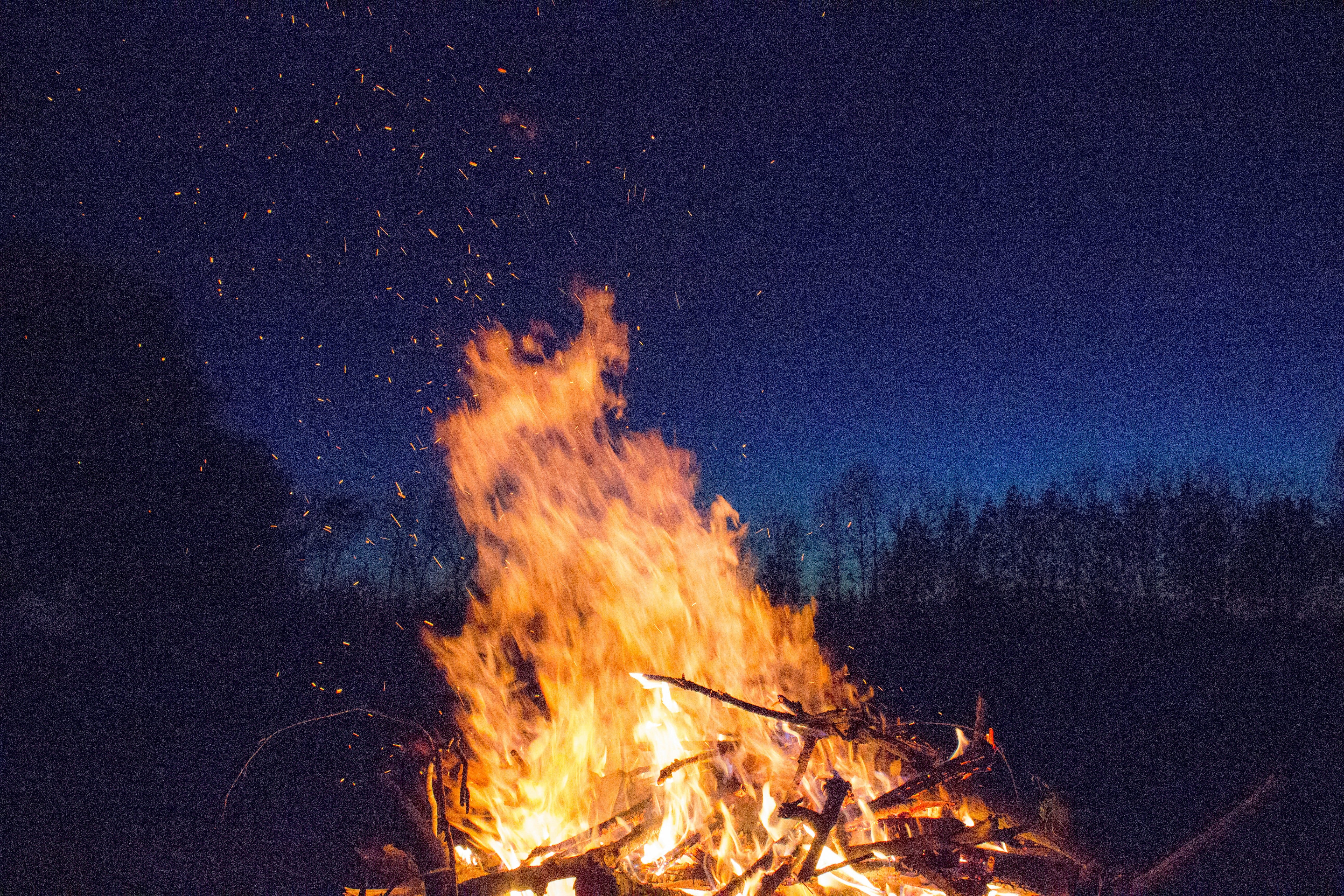
The campsite was called La Ribera del Progreso, which Faustino said was the most optimistic name he had ever heard for a stretch of mud held together by willow roots on an island you could only reach by paying a man named Osvaldo twelve pesos each way in a boat that smelled of diesel and fish guts and a third thing nobody could identify.
“Progress,” Faustino said, surveying the brown water. “What progress? Progress toward what? Toward being eaten by mosquitoes faster?”
“Shut up, Gordo, you’ve been complaining since Retiro,” said Rubén, who had organized the whole thing: the reservations, the provisions, the thermal sleeping bags, the portable water filter that he’d sourced from a camping shop in Palermo and which he treated with an affection bordering on the erotic.
There were four of them. Rubén and Faustino, who had been friends since primary school in Villa del Parque and who maintained that friendship by insulting each other continuously and without interruption. Marcelo, who was an engineer with the water utility and who explained everything in the voice of a man patiently failing to teach algebra to a golden retriever. And Diego, Rubén’s nephew, who was twenty-two and spent the first two hours of the trip staring at his phone despite the signal having died somewhere around Tigre.
They set up camp on Friday evening, tents arranged in a loose triangle around a fire pit that was really just a circle of bricks somebody had placed there years ago and which had been used so many times it had acquired the philosophical status of a permanent feature. The mate went around. The sausages went on the grill. The sun went down over the water like a dirty orange being slowly compressed, and the mosquitoes, patient and organized, began their shift.
Diego was the one who mentioned it first, because the young are always the ones who mention things first, before they’ve learned that certain things are better not mentioned.
“Hey, Rubén. The guy at the dock — Osvaldo — said something to me. When we were unloading.”
“What did he say?”
“He said not to go in the water after dark.”
Faustino looked at the brown river, which was already dark in the way that brown things become dark very quickly, absorbing the night without argument. “I wasn’t planning on going in the water at all,” he said. “I have enough trouble with the showers at home.”
“He said there’s something in it,” Diego persisted.
Marcelo poked the fire. “There are many things in it,” he said. “Sediment. Agricultural runoff. Coliform bacteria at concentrations I would prefer not to specify given that we are currently eating. The Paraná Delta catchment receives—”
“Not that kind of thing,” Diego said. “A thing thing. He said there’s a girl who drowned here. During a school excursion. In 1971. And then she comes back.”
The fire popped. Somewhere in the willows, something moved — probably a nutria, the delta was full of them, large brown rodents who appeared at the edge of campsites with the calm professional interest of health inspectors.
“Drowned children,” Rubén said. “Classic.”
“Osvaldo said the year before last, a group from Quilmes. They heard something from the water at three in the morning. One of the guys waded in. They found him at dawn on the other bank, completely fine, physically, but he couldn’t remember anything from midnight on. He thought it was still Thursday.”
“That’s called drinking,” Faustino said.
“Osvaldo said they weren’t drinking.”
“Then that’s called lying about drinking.”
They went to sleep around midnight, fed and slightly drunk on the Malbec that Rubén had brought in a carton because real wine was impractical for camping and also because he was not a lunatic. The fire burned down to coals. The river made its low continuous sound, the sound of a very large amount of water moving slowly and with no particular urgency toward somewhere it did not especially want to be.
***
Rubén woke at two forty-three in the morning.
He knew it was two forty-three because he had the kind of watch that tells you things in the dark, and also because he had woken this precisely every night for the past three years at some point between two and four due to what his doctor called anxiety-adjacent insomnia and what Rubén called the price of being the one who thinks about things.
He lay still in his sleeping bag and listened.
The river. The willows. An insect somewhere. Faustino snoring in the next tent, a sound like a small motorcycle failing to start.
And then, underneath all of it, something else.
A voice.
High. Thin. Coming from the water, or just above it — the way sounds travel strangely over water, flattened, stretched, arriving with too little warmth. It was a child’s voice, or something arranged into the approximate shape of a child’s voice, the way a drawing of a window is the approximate shape of a window. Something about its rhythm was wrong. It breathed in the wrong places. The pauses came too late, like a translation read aloud by someone who had only just learned the language and was processing each word a beat after it left their mouth.
Here. I have found a thing here. Come to view it.
Outside, the fire was cold and the river was black except where the half-moon touched it, which was everywhere, because the water was absolutely still. No wind. The willows hung without moving. The air smelled of mud and something older than mud.
He stood on the bank and looked at the water.
About fifteen meters out, something sat on the surface. Not in the water. On it. The way a leaf sits, or an oil slick. It was roughly the shape of a child kneeling, but the shape kept adjusting itself, like a figure seen through bad glass, never quite resolving. And it was looking at him.
Come to view it, it said.
“No,” Rubén said.
He said it the way he said it at work when someone from accounting sent him an email with seventeen attachments and no subject line. Flat. Decisive. Accustomed to exercising refusal as a practical skill.
The thing in the water was quiet for a moment.
You can see me, it said, with what sounded, absurdly, like mild surprise.
“Yes,” Rubén said. “Go away.”
Most others approach.
“I’m not most others.” He crossed his arms. The mosquitoes were working on him with focused enthusiasm. “I’m a man who drove three hours and paid twelve pesos each way on a boat to sleep in the mud for the weekend. I have extremely specific ideas about how I want to spend my time.”
The shape of it shifted. It seemed to consider him the way a system considers an input it was not designed to receive.
The water does not keep thoughts, it said. You would not keep thoughts. There is no waking at two forty-three. No— a pause, too long, processing— no price for the thinking.
Rubén was quiet for a moment.
It knew about the insomnia. Or it had heard him lie there; or it had simply learned, across however many decades of calling people down to the bank, to recognize the particular stillness of a man pretending to sleep. Either way, it had found the opening and pushed its fingers into it, and he could feel the cold thread of the offer running under his skin — the idea of a night without inventory, without the low electrical hum of things that needed doing and things that had gone wrong and things that were probably about to.
The thinking stops, it said. You have been thinking for forty-seven years. Come and stop.
“Yes,” Rubén said slowly. “And then it isn’t anything. That’s what you’re selling.”
It is—
“I know what it is,” he said. “I’ve been awake in the dark long enough to recognize nothing being offered as a gift. I don’t want anything. I want to sleep badly in a tent and argue about sausages and tip Osvaldo on Sunday and go home.” He paused. “That’s what I want.”
The thing said nothing. The shape of it had gone almost entirely formless now, neither child nor intention — just a disturbance in the moonlight, a place where the water failed to reflect correctly.
You will wake again at two forty-three, it said, finally.
“Yes,” Rubén said. “Probably forever. Goodnight.”
He went back to his tent. He put in his earplugs. He did not sleep, particularly, but he had learned in his late thirties that lying still in the dark with your eyes closed was ninety percent of what sleep accomplished anyway.
In the morning, over mate, he said nothing about it.
Faustino was complaining about the humidity. Marcelo was reading the water filtration instructions again with the intensity of a man who had found religion. Diego was checking his phone hopefully despite the signal being non-existent.
“Good night?” Diego asked.
“Fine,” Rubén said.
***
That afternoon, while the others napped, he walked to the water’s edge and looked at the spot where the thing had been.
The river was its usual brown. A nutria surfaced, considered him briefly, and dove.
He thought about the drowned girl from 1971. He thought about the man from Quilmes who had lost a Thursday. He thought about the voice and its wrong breathing and its too-late pauses and the shape of it that kept not-quite-resolving, like something that had learned what a child looked like from a description rather than from direct observation. He thought about how it had found the insomnia and aimed at it, cleanly, without malice — the way a flood doesn’t hate what it fills.
The terrifying thing is not that it’s there, he thought. The terrifying thing is that it works.
Then Faustino woke up and started arguing with Marcelo about whether you needed to let sausages rest after cooking them, the same way you rest a steak, and Rubén went back to mediate, because that was also one of the things he did.
***
On Sunday, Osvaldo came for them in the boat. When they were all loaded and he was starting the engine, Rubén said:
“The thing in the water. Has it always been there?”
Osvaldo looked at him for a long moment. He had the face of a man who had been asked this question before and had developed, over time, a very specific and economical relationship with his answer.
“Since before my father’s time,” he said. Then, after a pause: “It spoke to him too. He came back.” A beat. “Took him four tries.”
The engine caught. The brown water parted.
Faustino, wedged between his pack and Diego’s, said: “Honestly, I don’t understand why they don’t put up a sign.”
Nobody answered him, but it was, Rubén thought, a reasonable point.
The city rose ahead of them in the heat haze: concrete and exhaust and eleven million people who had all, in their various ways, decided to live on the other side of the water, where the voices came from places you could identify and the things that called to you in the night had at least the decency to have addresses.
He drove home. He unloaded the car. He made himself a proper coffee and stood at the kitchen window for a while.
His neighbor’s cat was sitting on a wall, watching a pigeon with the absolute focused attention of something that intended, eventually, to eat it.
You will wake again at two forty-three.
He thought: yes. Probably forever.
He finished his coffee.
He went to bed at a reasonable hour and did not dream about water.
C.A. Russell is an Argentine writer, cybersecurity specialist, and drummer based in the Buenos Aires area. His fiction routinely explores the intersections of systemic automation, regional history, and the unquantifiable resilience of Rioplatense life. He has work forthcoming in Nature: Futures, and his stories have appeared in Neon Dystopia and Edge of Humanity Magazine.
An Interview with C.A.
Why did you write this piece? The initial spark for "The Lake" came from an image and a specific rhythm: a group of lifelong friends from Buenos Aires, adults who know each other's flaws entirely too well, trying to navigate the deep, unyielding stillness of the Paraná Delta. I’ve always been fascinated by how the delta handles night—it doesn't just get dark; the brown water and dense willow roots seem to absorb the environment entirely, running an ancient, quiet background process that is completely indifferent to the city a few hours away.
I felt a strong pull to write this because I wanted to explore a haunting that didn't rely on generic horror malice, but on systemic offering. The entity in the water doesn't want to destroy Rubén; it approaches him like a poorly optimized legacy subroutine trying to render a human child based on an outdated historical event from 1971. When it encounters Rubén’s insomnia at 2:43 a.m., it detects an overtaxed system and offers him a trade: total, empty oblivion in exchange for the "price of thinking."
The characters matter immensely to me because they are anchored in what I call "cyber-costumbrismo." Rubén represents a very specific kind of quiet resilience—the person who balances the ledger, drives the car, and carries the operational anxiety for everyone else. His ultimate victory isn't a dramatic exorcism; it's a profound, dry act of refusal. He treats a terrifying supernatural offer with the casual, bureaucratic exhaustion of a middle manager turning down a poorly scoped proposal, consciously choosing the high-friction, messy reality of living—complete with anxiety, bad coffee, and arguments over sausages—over the perfect nothingness of the lake.
Tell us a few facts about yourself! I live in the Buenos Aires area with my wife, and our two kids, who are now young adults. While my day job pays the bills, a huge part of my life is dedicated to independent music. I run an indie record label called Argie Pop Records and host a podcast called Nuevos Pero Rotos, where I get to champion ska, post-punk, and alternative bands.
When I’m not writing or hunting for new music, I’m usually planning our next trip. I enjoy good barbeques, always on the lookout for a great Argentine Malbec or Cabernet Franc to share with friends.
Why do you write? What itch are you scratching? What do you like about the horror/paranormal/folklore genres? What do you believe horror inspires or exposes in us? I write because I am endlessly fascinated by the things that refuse to be neatly filed away or forgotten. There is a specific kind of itch that comes from living in a world obsessed with efficiency, data, and perfect metrics, while knowing that the human experience is fundamentally messy, stubborn, and beautifully un-optimized. Writing is my way of leaning into that friction—it’s an exploration of how our memories, our regional habits, and our shared histories manage to outlast the rigid structures we build around ourselves.
The horror, paranormal, and folklore genres appeal to me because they provide the perfect language for this exploration. A haunting is just a location running an ancient, quiet background process that refuses to clear its cache. Whether it’s an old legend tied to a river delta or a strange occurrence in an urban neighborhood, folklore represents the deep, emotional residue of humanity that cannot be modernized or paved over.
I believe horror excels at exposing the fragility of our illusions. We surround ourselves with automated logic, safety protocols, and predictable routines to convince ourselves that we are in control. Horror drops a glitch into that system. It forces us to confront the exact moment where our flawless models fail, leaving us standing in the dark.
But what it inspires in us is far more comforting: warmth and resilience. When the supernatural or the terrifying strips away the artificial noise of our daily lives, it leaves us with the raw, essential things that matter—our friendships, our capacity to look into the dark and say "no," and our willingness to protect each other. It reminds us that humanity is at its best not when it is performing perfectly, but when it is sticking together to navigate the unpredictable, messy reality of being alive.
Do you have a favorite place to write? My favorite writing environment is actually a tale of two very different spaces. The initial sparks and outlines almost always happen during my daily commute to work. There is a quiet, reflective focus that comes with being physically in transit, watching the concrete landscape shift, observing people, and feeling the shared, quiet momentum of an early morning crowd. It’s a wonderful canvas for daydreaming, where I can let an idea take shape before I ever touch a keyboard.
But when it's time to actually sit down and write, I go straight to the traditional, old-school cafés of Buenos Aires. I love the ones with heavy wooden tables, marble counters, and big windows looking out onto the street.
There is so much warmth in those spaces. You are sitting there with a cortado, wrapped in the lively, unpredictable sounds of humanity: the clatter of porcelain, the hiss of the espresso machine, people arguing passionately about sports at the next table, and the general hum of the city outside.
Writing about speculative futures requires that kind of grounding. If I’m going to imagine cold, automated systems on a screen, I need the vibrant, un-parameterized reality of human life pressing right up against the window glass. It keeps the stories honest. It reminds me that no matter how advanced our technology becomes, it will always have to interface with real, everyday people who are just trying to get through a hot afternoon, laugh with their friends, and enjoy a coffee in peace.
Is there anything you wish we would have asked you? I always love it when interviewers ask: "What are you reading or listening to right now?"
We spend so much time in these interviews talking about our own creative output and writing habits. But the absolute best part of being a writer is being a fan of the genre. I spend a huge chunk of my free time digging through the slush of other amazing horror and speculative markets—reading the newest issues of Nightmare or The Dark Magazine, or listening to dark fiction on Pseudopod.
It keeps you incredibly grounded. It reminds you that before any of us are authors trying to hit word counts or get published, we are all really just fans sitting around the campfire, waiting for someone to scare us with a good story. I think that's why an issue themed around a "Summer Camp" is so perfect—it taps right into that fundamental, shared human desire to just sit in the dark and listen to the unknown.
C.A.’s Links
Emerald Blight
By Kylie Jordinelli
I shepherded my girls with the grace of a goddamn lioness. For two weeks I’d smeared sunscreen behind their ears, spritzed them hourly with mosquito repellent, tucked them in at 8:45pm sharp. We’d rise earlier than the other cabins; before breakfast, I’d braided all six girls’ hair. Fellow counselors coined my young cohort “the ducklings.” When I led the girls across the lawn for lunch each afternoon, older campers cooed over their cuteness—others quacked.
There goes Ms. Penny, all her ducks in a row.
The ducklings snored softly now in their bunks, drained from a day at the lake. Pamphlets touted the waters as a glittering green oasis; the beating heart of camp. An emerald cesspool, more like. I’d waded ankle-deep, muck squelching between my toes, before fleeing to the docks. The swim instructors had assured me the girls were safe under their watch. Relax, Pen. This isn’t Loch Ness. Still, I’d sunbathed in their line of sight. Nessie, my ass. Braineating amoeba, fish carcasses, and gluttonous leeches plagued my thoughts more than some mythical beastie. Only when the girls scampered back onto shore unscathed did I breathe easier.
I nestled under my blanket. Smoke from tonight’s campfire lingered in my hair. I’d roasted sausages, vegetable skewers, cinnamon sliced pears, and marshmallows for the girls, anticipating ravenous appetites. They’d managed a few nibbles.
“I could make fluffernutters,” I’d offered. Such decadence would entice even the pickiest of eaters.
Sofia, the liveliest of the bunch, had answered. “Can we go to bed now?”
Lights were out before 8:00pm.
A fan whirred in the corner of our warm cabin. I flipped my pillow over, pressed my sunburnt cheek against the cool fabric. Three more days until the camp’s closing ceremony. Three more days with my little ducklings. My mind flitted between dreams and consciousness, never settling on just one.
For a moment I’d fallen asleep.
A hoarse voice crackled through the silence. “Ms. Penny.”
I jolted up. A small figure materialized at the edge of my bed. I scrabbled for my flashlight, fumbled with the switch. There stood Sofia. Both hands clutched her throat. “Ms. Penny,” she croaked again.
“Oh, Sof, what’s wrong?” I kicked my sheets off and knelt beside her, palmed her forehead. A fever. Shit. I sifted through the possibilities–flu, cold, norovirus, mono, strep.
“Hurts,” she rasped, rubbing her neck. Somewhere in the dark, a girl coughed.
“Here, I’ll take a look, okay?”
Sofia, eyes wide, nodded. I held one of her trembling hands, positioned my flashlight with the other.
“Can you say ahh?”
The poor girl winced as she stuck out her tongue.
Another cough from across the cabin, then another. Shit.
Sofia’s tonsils, raw and inflamed, pulsed.
There goes Ms. Penny, all her ducks in a row.
Gurgling, wet hacks erupted through the room. The flashlight flickered off, darkness swooping in. I rattled the useless thing, tried again. A slit at the back of Sofia’s throat bulged. From it blinked an emerald eyeball.
An Interview with Kylie
Why did you write this piece? Most of my pieces take inspiration from dreams I've had. I've gotten into the habit of writing down the particularly unusual and unsettling ones as soon as I wake. The night before finishing this piece, I dreamt of my hometown transforming into a unrecognizable wasteland, littered with biological anomalies. There, I found the story's final image. That morning I stitched together what I'd already written with what I'd dreamt. I knew I wanted my character to grapple with the loss of control, but didn't know how to illustrate her fears until I slept on it!
What are your hobbies? Do they ever play into your writing? I enjoy drawing with graphite pencils, painting with watercolors, playing video games, practicing special effects makeup, reading. My hobbies (including writing) tend to bleed into one another—I'm currently creating artwork of a character from a novel I just finished.
Do you have a favorite place to write? My favorite place to write is my bedroom, especially on a sunny day with the window open. Comfort and solitude are a must.
Why do you write? When I was six years old, I wrote my first story. I remember being overwhelmed with the desire to create something, anything, which stirred my little heart the way certain films and books did. Sat at the kitchen table with my mom, I scribbled away in my glittery Hello Kitty diary for an afternoon—fairies, kings, tigers, magic. The finished story, riddled with misspellings and plot holes, was mine, and that was enough. Years later, I still own that diary and reread that story my childhood self conjured up. I write for her.
Love all of these! What imaginative takes on the summer camp prompt. I especially enjoyed the cynical, world-weary character of Ruben in "The Lake"
This is such an enjoyable special issue!